
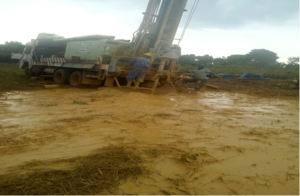
Hydrogeology refers to a branch of geology that involves studying rocks and structures as well as exploring water from the deepest areas of the ground. The entire hydrogeology process focuses at how water inter relates with geological systems despite the fact that there is more to hydrogeology than just wet rocks.
Water whether piped /form wells is a very essential natural resource to all people worldwide so its movement underneath the ground is vital for the protection of this resource. Hydrogeological properties of the ground/ rock types are almost the same in terms of their un weathered states, gnesis state, granulite and granite levels that are all hard with crystalline rocks.
These rocks/ grounds’ inter granular flow is likely to be nonexistent where as the flow of ground water in the un weathered bedrocks is prone to take place through the 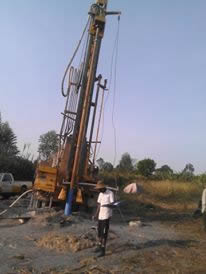 fractures along the rock in about tens of meters of rock head. The whole process of hydrogeology involves borehole sitting, drilling, water quality analysis and water treatment.
The Role of Hydrogeologists
- Hydrogeologists identify vulnerabilities of ground water as well as the sources of pollution that minimize the risk through mapping its flow within the ground.
- They provide adequate information/ data about the availability and vulnerability of ground water.
- They preserve the quality of ground water by approving the theory of pollution prevention.
- They provide expert advice about anything about geology, changes in the environment, planning there by making this concept real.
- Hydrogeologists build up featured pictures of how water flows within the porus rocks underground.